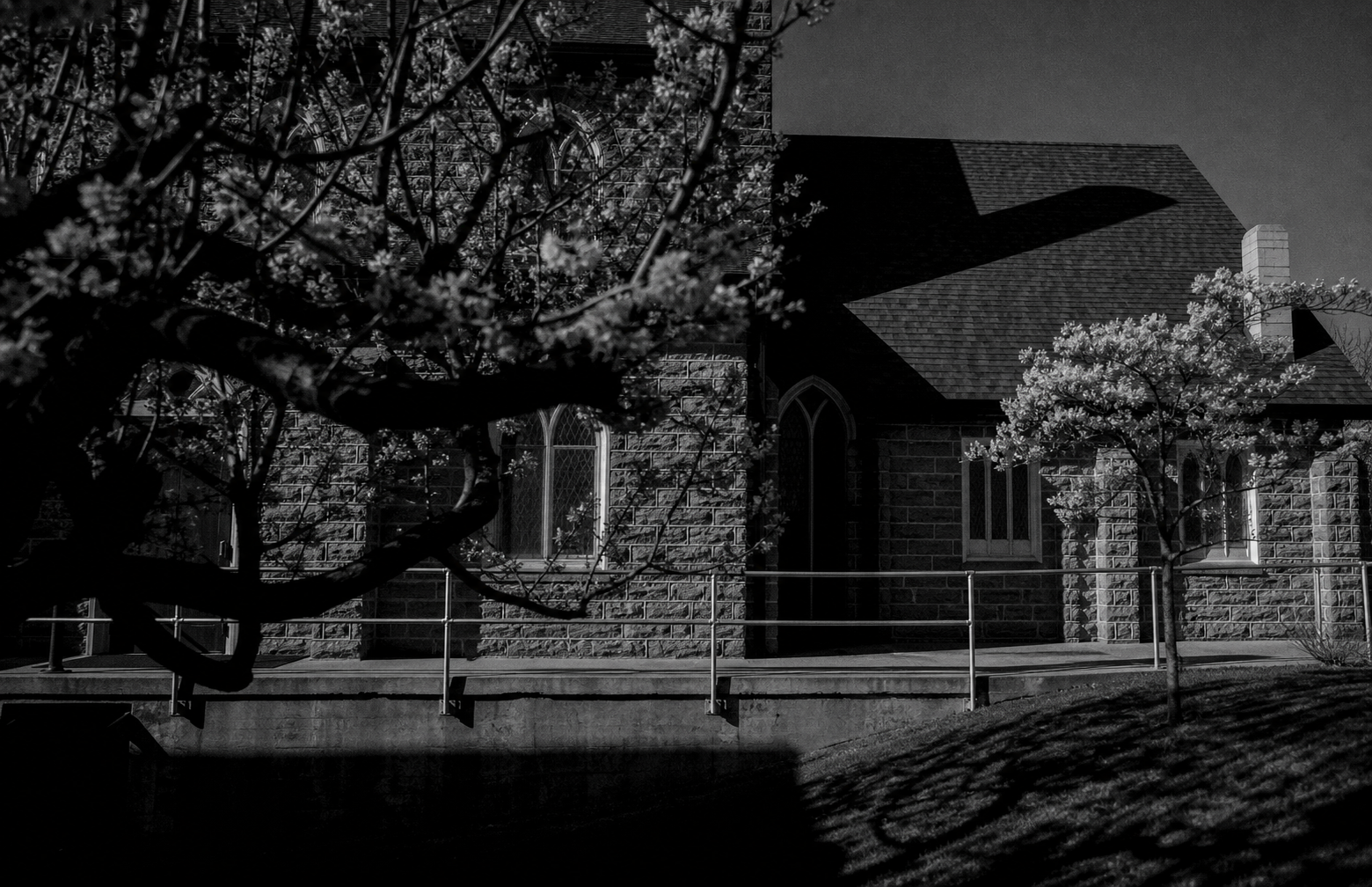
History
The Catholic story in Vernon and the North Okanagan — missionaries, families, churches, schools, and the ordinary faith that kept taking root.
One generation shall commend your works to another. Psalm 145:4
The story of the Catholic Church in this valley begins before Vernon itself. What follows is drawn from the Canadian Register of Historic Places, the City of Vernon's records, and the history of St. James School.
-
1859 Missionaries enter the valley
Oblate missionaries of the Catholic Church entered the Okanagan Valley in 1859, bringing the faith to the region decades before the railway or the city.
-
1867 O'Keefe Ranch
Cornelius O'Keefe arrived at the head of Okanagan Lake in 1867 and established the O'Keefe Ranch. The ranch would become an anchor of Catholic life in the North Okanagan.
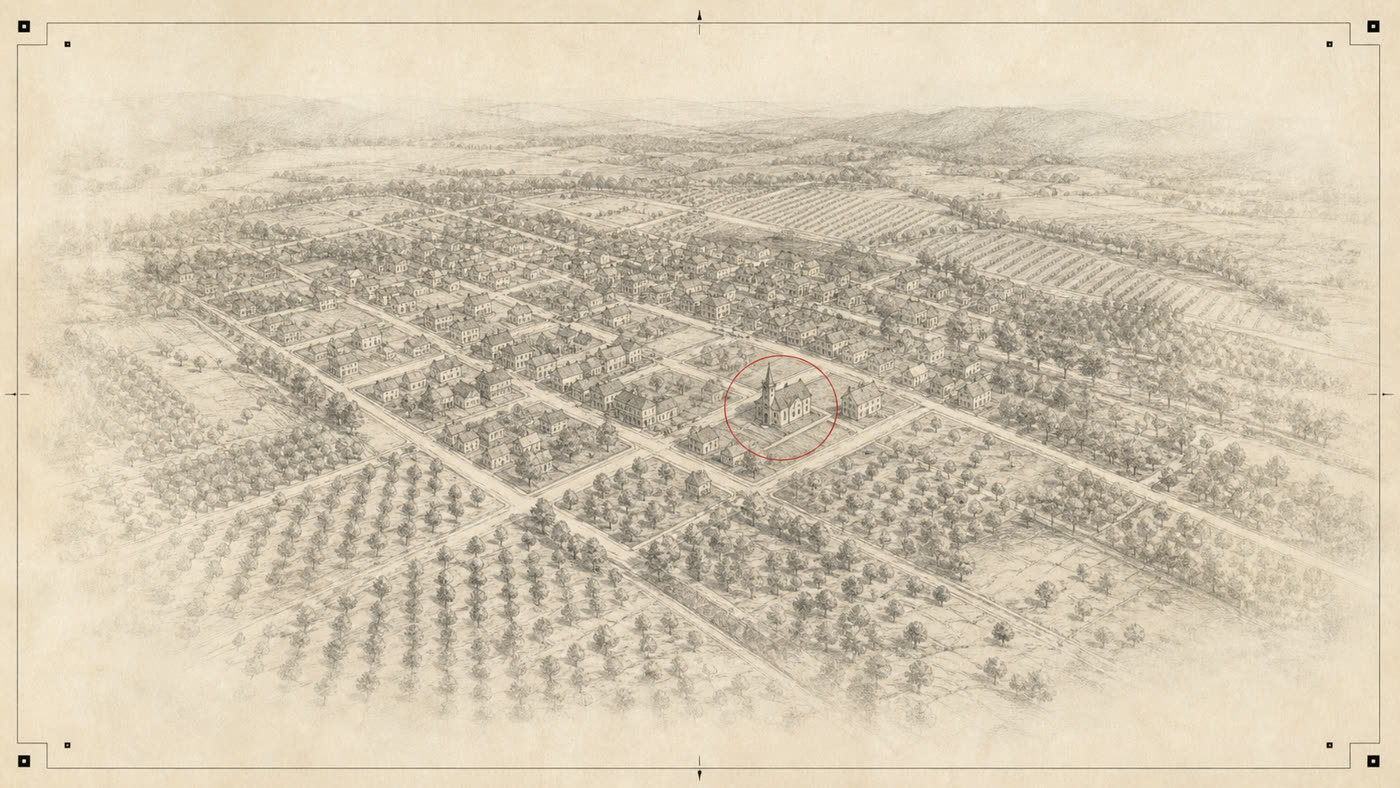
The head of Okanagan Lake, where Catholic life in the valley took root. -
1889 St. Ann's Church
St. Ann's Church was completed at the O'Keefe Ranch in 1889, after Cornelius O'Keefe sought donations for a Roman Catholic church on his land. It still stands today.
-
1896 A first church in Vernon
A wooden Catholic church was built in Vernon in 1896. Within a decade, the growing congregation had outgrown it.
-
1902 The pioneer bell
A bell purchased from France in 1902 commemorates eighteen Vernon pioneers. It still belongs to St. James.
-
1907–1910 Building St. James
Cornelius O'Keefe donated the church site on East Hill in 1907. Between 1908 and 1910 the present church rose — designed by James Barnet, built by W.R. Megaw of rusticated concrete block at a cost of about $14,000. Gothic Revival in style, it measures 92 feet long and stands 100 feet high, with a central buttressed tower, lancet windows, a rose window, and a statue of St. James in the tower niche.
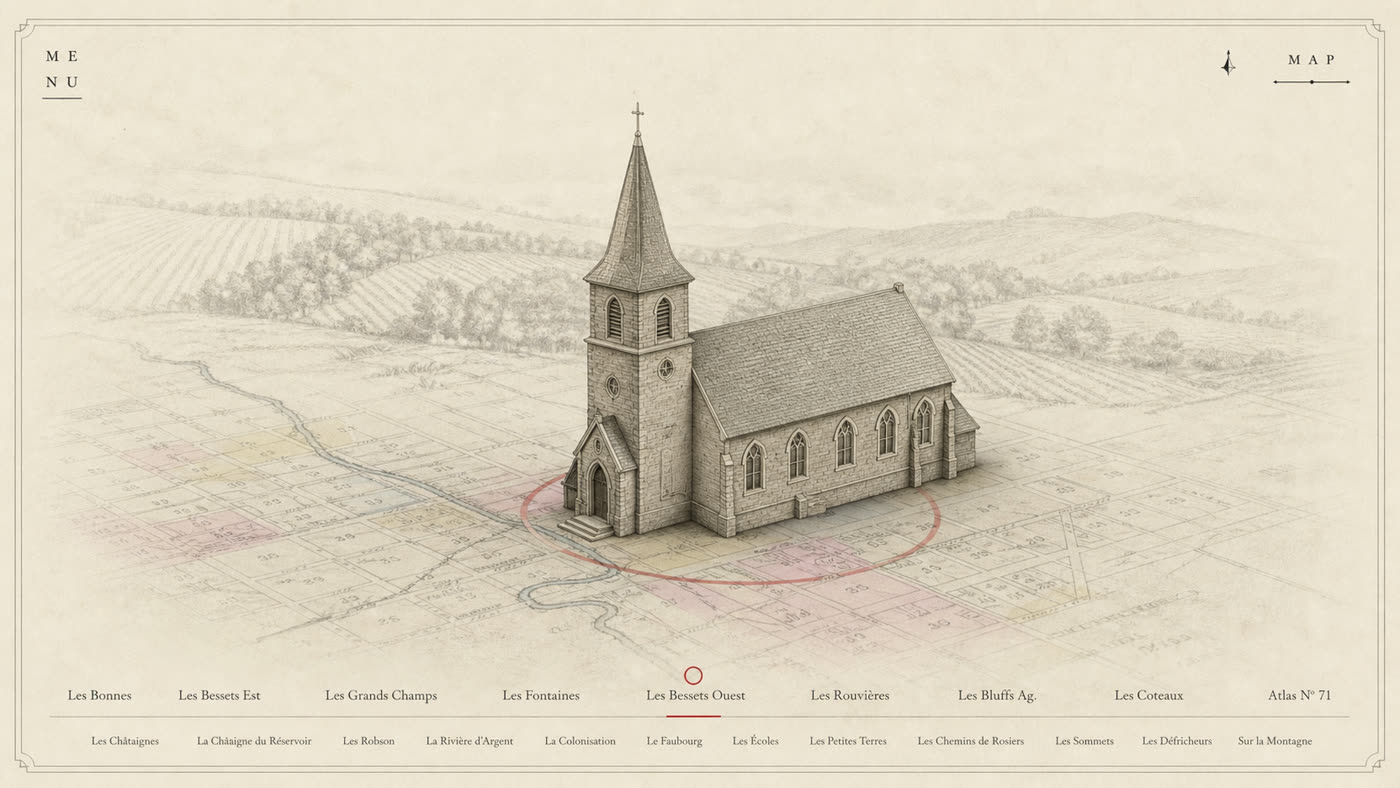
St. James rises on East Hill, 1908–1910. -
1944–1971 Monsignor John Miles
Monsignor John Miles served St. James for twenty-seven years. He was chaplain at the Vernon Army Camp, cared for English refugee children during the Second World War, founded St. James School, and brought the Sisters of St. Ann to teach there. The parish hall still bears his name.
-
1956 St. James School opens
St. James School opened on September 10, 1956 with 147 children enrolled, staffed in its early years by the Sisters of St. Ann, who lived in a convent at the nearby Smith House. The Parish Centre — gymnasium and gathering space — was added in 1986.
-
2000–2012 A recognized landmark
St. James was placed on Vernon's Community Heritage Register in 2000, listed on the Canadian Register of Historic Places in 2010, and marked with a heritage plaque in 2012.
-
Today
St. James now anchors a family of four churches — with Our Lady of the Valley in Coldstream, St. Benedict's at Ntsla'ko (Head of the Lake), and Sacred Heart in Lumby — serving the whole Vernon area within the Diocese of Kamloops. The work the missionaries began in 1859 continues every morning at the 8 AM Mass.
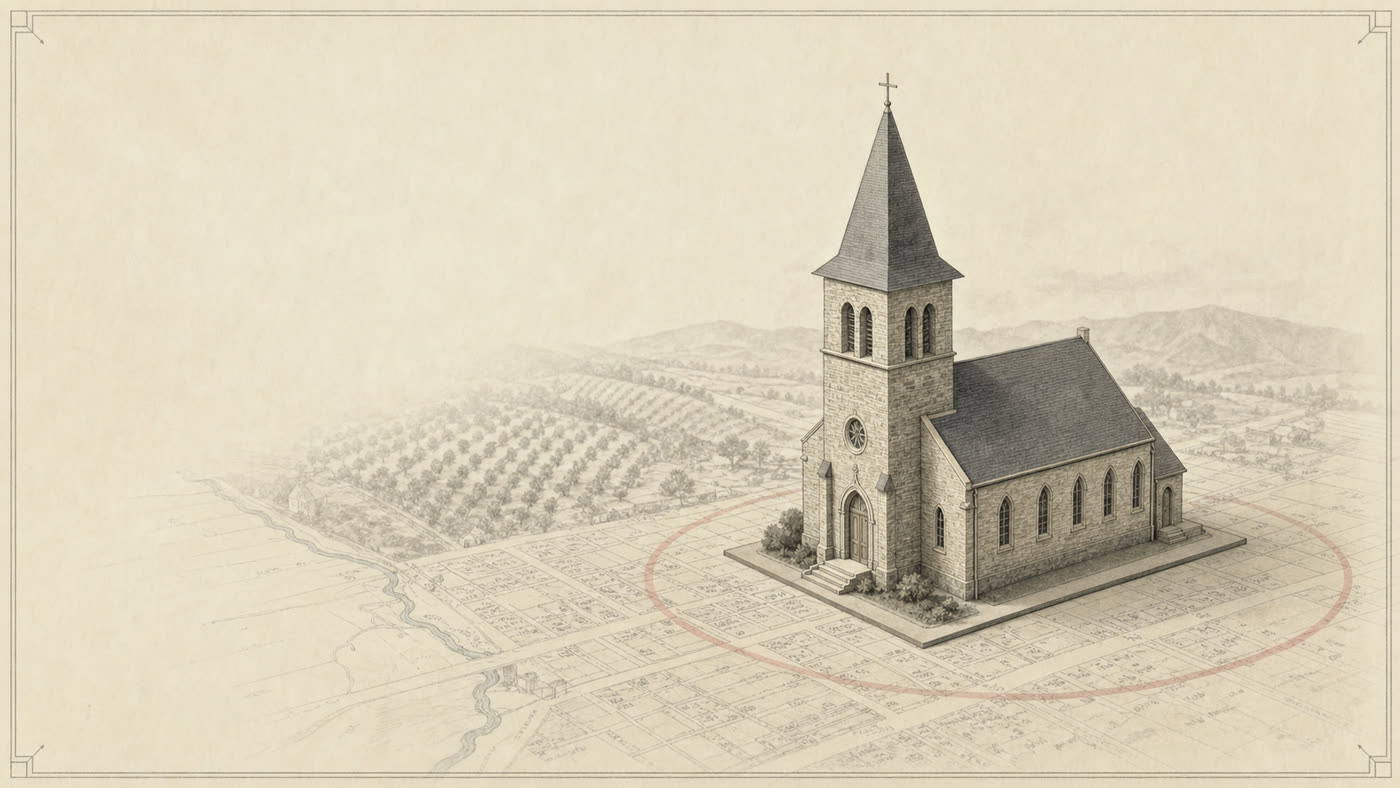
One church on the hill, four churches in the valley.
Archive photographs
Photographs of parish life — processions, school years, weddings, the building of the churches — are being gathered for these pages. If your family holds some, the parish office would be glad to copy them. Call 250-542-1276 or write to stjamesvernon@rcdk.org.